 Skip to content
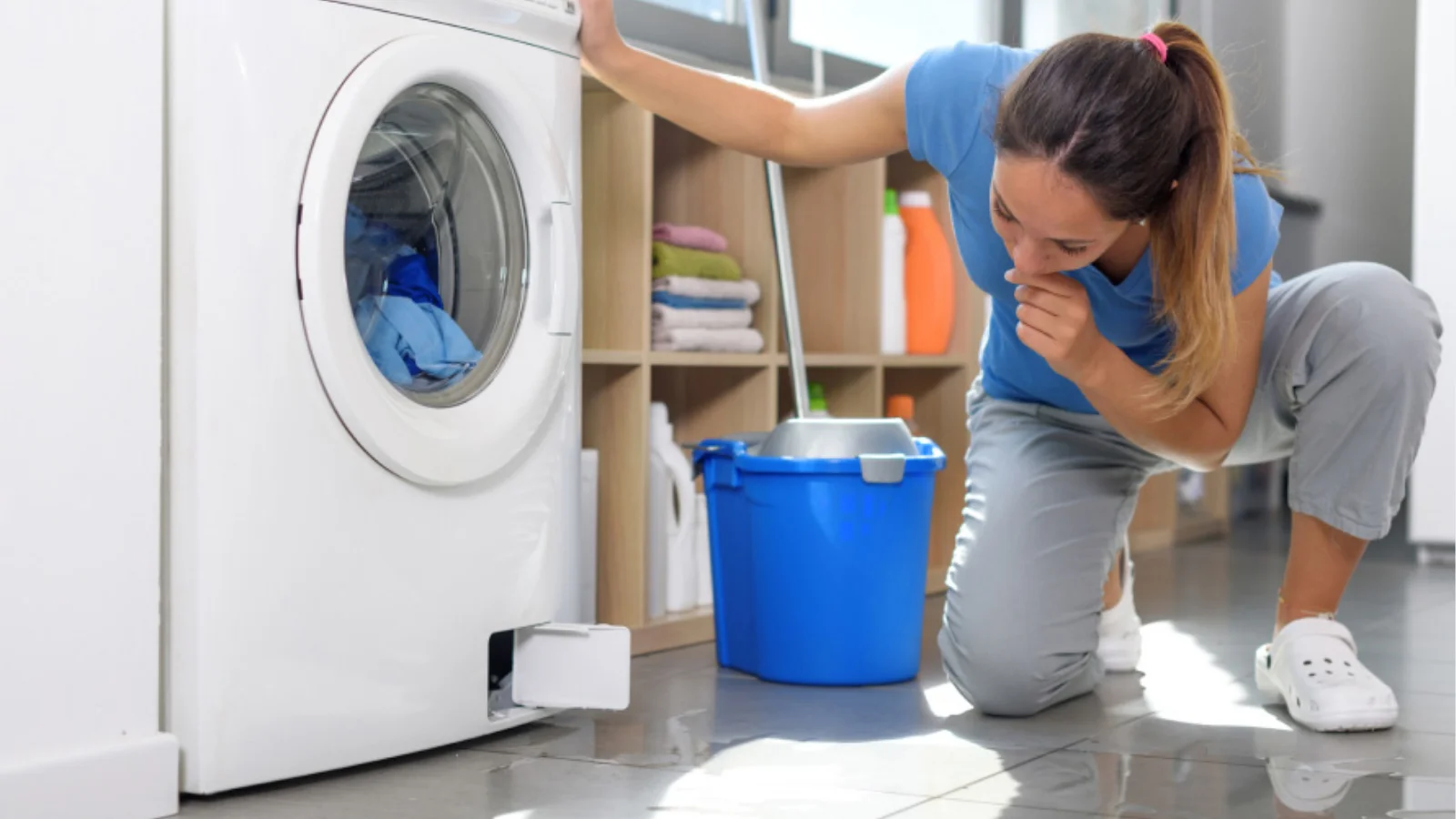
A full-of-water but non-draining washing machine may be frustrating and messy. It is worthy being cautious whether the machine was cut halfway or the drum is complete. The necessity to learn how to empty a broken washing machine will allow saving water and finding the problem before the situation gets worse.
The cure, in most instances, is easy – unclogging the hose or washing the pump. However, in the event the issue lies within the machine, it is always the best decision to call a professional. This tutorial will take you through simple steps of draining the water, how to identify frequent causes, and when it is time to call in an expert to do the repairs.
Safety First Before You Start Draining a Broken Washing Machine
You have to be safe before you start learning how to drain a broken washing machine. It is best to unplug the washer from the wall and switch off the power. Do not attempt to empty a running machine or to move it. In the top-load washers, close the lid lightly. In the case of front-load models, be sure to leave the door closed when you are not ready to empty the water.
Prepare a couple of towels and a bucket beforehand. When the hose or the filter is opened, water can fall rather fast, and a dry floor can be used to avoid tripping or electrical hazards. By keeping your space clean and safe, you will be able to cope with the draining process without making a mess and exposing yourself to the possibility of a shock.
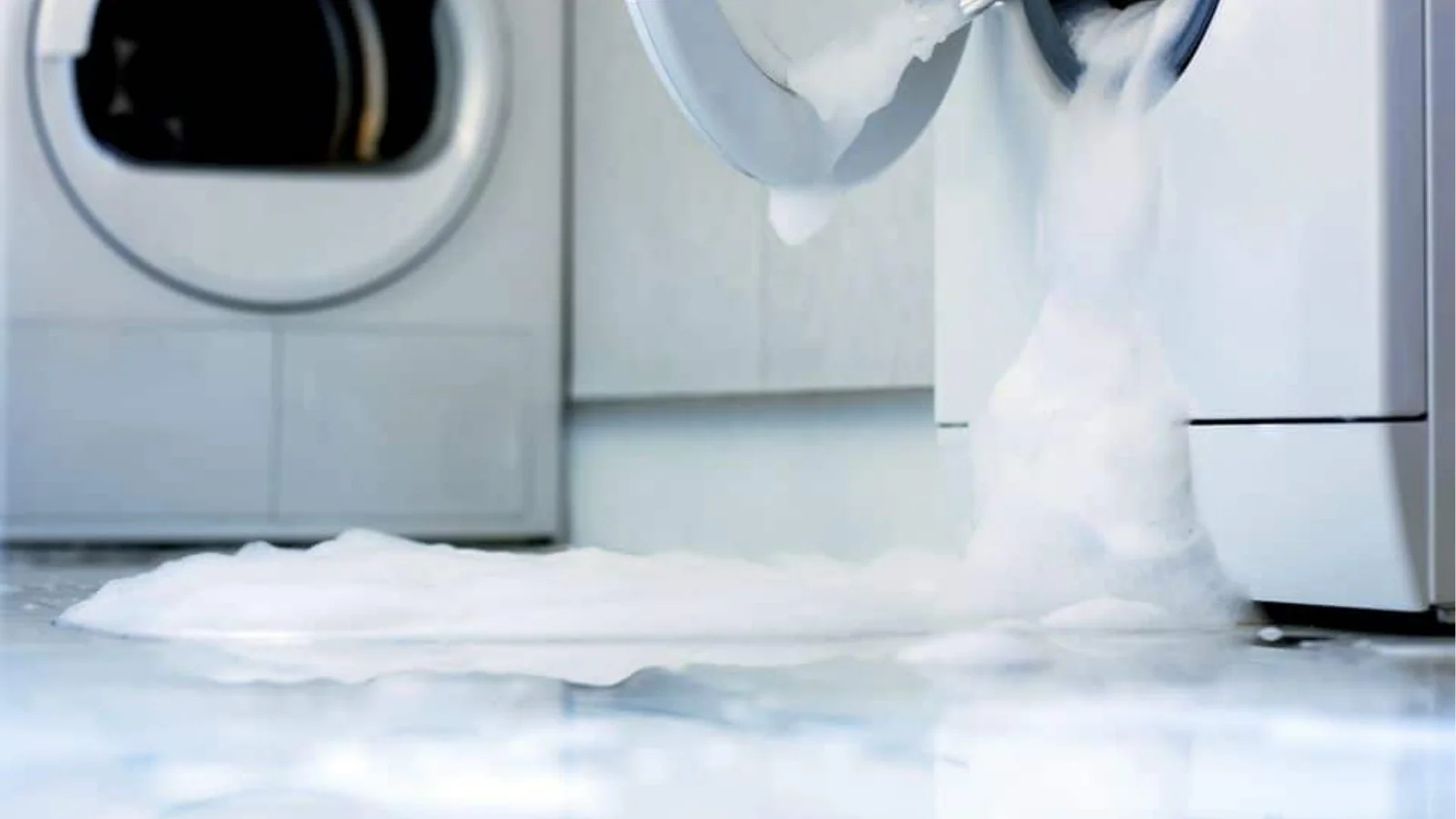
How to Manually Drain a Broken Washer
Follow these simple steps to safely remove the water:
- Unplug the machine. Safety always comes first.
- Find the drain hose. It’s usually behind the washer, attached to a drainpipe or standpipe.
- Place a bucket or pan. Keep it under the hose to catch the water.
- Detach the drain hose. Lower it gently — water will begin to flow out.
- Open the pump filter (if accessible). It’s near the bottom front; remove debris or lint inside.
- Wipe and check. Once drained, wipe the area and reattach the hose properly.
Common Reasons a Washer Won’t Drain
A washing machine can stop draining for many reasons. Some are easy to fix; others need professional tools. Here are the most common:
- Clogged drain hose: Lint, small clothing items, or debris block the flow.
- Dirty pump filter: The filter fills with lint or coins and stops water from passing.
- Broken drain pump: A damaged pump motor prevents water removal.
- Kinked hose: When the hose bends or twists, water can’t pass through.
- Wiring or control board issues: Electronic faults can stop the drain command.
How to Prevent Future Drain Problems After Draining a Broken Washing Machine
After you’ve learned how to drain a broken washing machine, a few small habits can stop the problem from coming back. Clean the filter each month to clear lint, hair, or coins before they block water flow. Don’t overload the washer, and use less detergent to avoid thick residue that can clog the hose.
Check your drain hose regularly to be sure it’s not bent, stiff, or leaking. Replace it if needed, and run a cleaning cycle once a month to keep water lines clear. These simple steps protect your washer’s drain system, reduce repair costs, and help your machine run smoothly for longer.
Need Expert Help Draining Your Washing Machine? Call the Professionals Today
If your washer still won’t drain after trying all the basic steps, the issue might be deeper — in the pump, motor, or internal wiring. Trying to fix these parts on your own can cause more damage. This is when reaching out to trained technicians is the smartest and safest choice.
At Appliance Doctor Pro, our professionals can quickly find the fault, drain the washer safely, and replace any damaged parts. Expert repair prevents future breakdowns, saves time, and helps your washing machine last longer. When your appliance stops working right, we’re ready to get it back in perfect shape.
Conclusion
Knowing how to drain a broken washing machine can save you from major cleanup and damage. Many times, it’s just a clog or filter issue, but sometimes it’s more serious. Take care, follow safe steps, and don’t hesitate to call skilled repair professionals if needed. With proper help and maintenance, your washing machine can get back to cleaning smoothly in no time.
Frequently Asked Questions
How do I safely drain a broken washing machine?
Unplug the washer first. Then, lower the drain hose into a bucket or remove the pump filter to let water flow out safely.
Why won’t my washing machine drain completely?
A clogged hose, dirty pump filter, or weak drain pump can stop water from leaving the drum. Cleaning or replacing these parts usually solves the problem.
Can I drain my washing machine without a drain hose?
Yes. You can use the pump filter at the bottom front of the machine to release trapped water slowly and safely into a shallow pan.
When should I call professionals for a washer that won’t drain?
If water stays inside even after cleaning the hose and filter, contact Appliance Doctor Pro. A technician can inspect the pump, wiring, and valves properly.
