 Skip to content
Many people place leftovers or takeout into the microwave without thinking. Styrofoam containers are convenient, but not all are designed to handle heat. When exposed to high temperatures, some styrofoam can melt, break down, or release harmful chemicals into food. Knowing whether can you put styrofoam in the microwave is important for safety, health, and preventing damage to both food and appliances.
The answer is not always simple. Some types of styrofoam are labeled microwave-safe, while others are not. Heating food in the wrong container can lead to safety risks that go beyond a messy spill. This article explains what happens when styrofoam is microwaved, which types are safe, and the best alternatives to use at home.
What Happens When Styrofoam Is Microwaved?
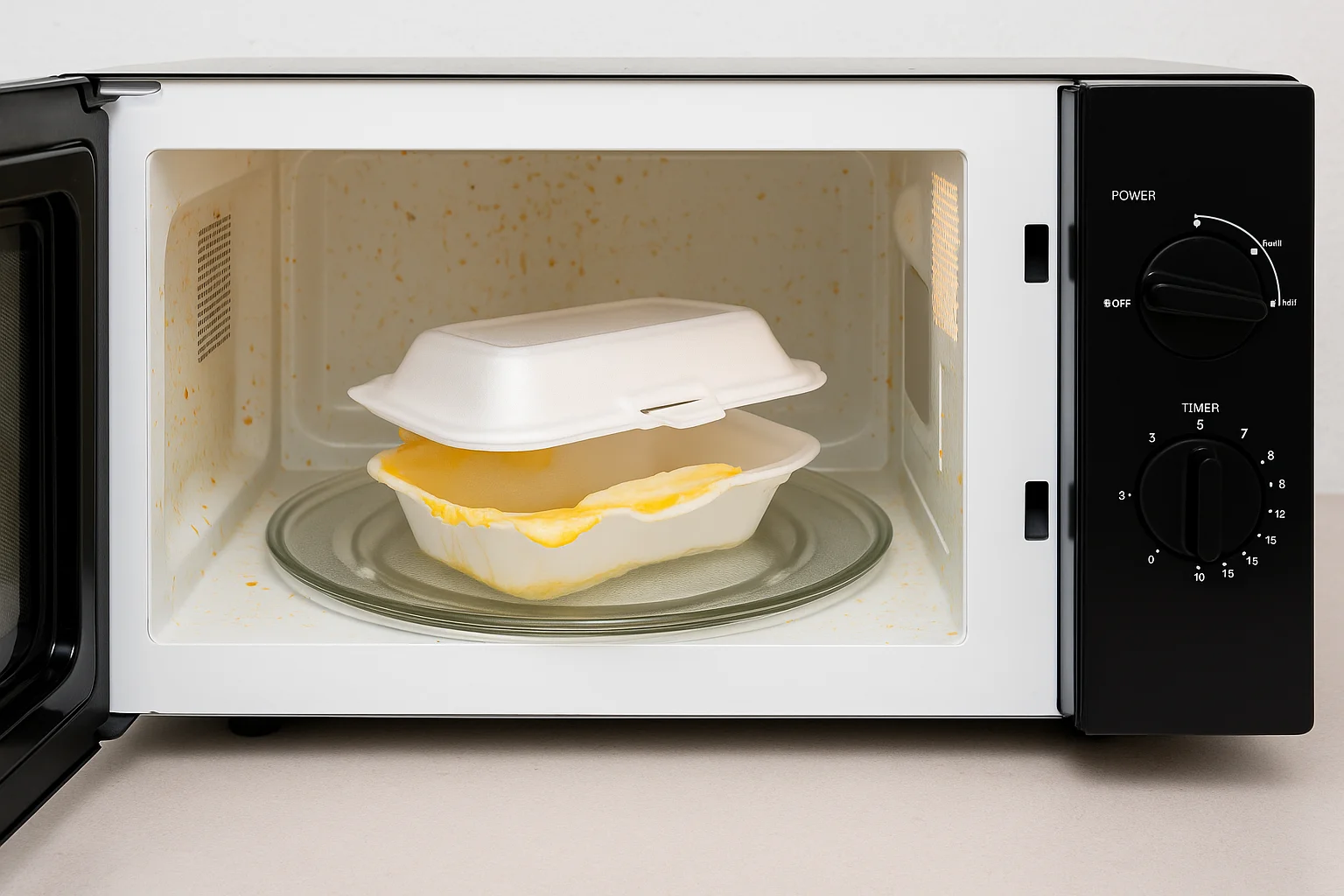
Styrofoam, also called polystyrene, is lightweight and insulating. That makes it popular for packaging and takeout. However, under high heat, standard styrofoam can soften or warp. The material may also leach chemicals into food. These risks make regular styrofoam unsafe for use in microwaves.
Some containers melt quickly, causing food to spill and create a mess inside the appliance. Others may not melt but can release compounds that contaminate food. Asking can you put styrofoam in the microwave is not just about convenience. It’s also about avoiding exposure to substances that may affect your health over time. For related kitchen safety and repairs, explore our oven repair service.
Types of Styrofoam and Safety Labels
Not all styrofoam containers react the same way when exposed to heat. Some are built to handle short microwave use, while others can warp, melt, or release chemicals. Always check the label before reheating food.
Microwave-Safe Styrofoam
Some styrofoam containers are designed to handle heat safely. They are usually thicker and marked with a microwave-safe label. These containers can be used in the microwave, but only for short heating cycles. Overheating still risks melting or weakening the container, so caution is needed.
Unmarked Styrofoam
If the container has no label, avoid using it in the microwave. Even if it feels sturdy, heat can cause the material to break down. Without proper testing, you cannot be sure it is safe. It’s always better to transfer food into a microwave-safe dish before reheating.
Disposable Takeout Containers
Many takeout boxes are not built for repeated use. These containers often warp or release chemicals when heated. While convenient, they should be treated as single-use packaging only. For reheating, always switch food into glass, ceramic, or labeled microwave-safe plastic.
Health Risks Linked to Heating Styrofoam
Heating food in unsafe styrofoam may expose it to chemicals such as styrene. Studies have linked styrene exposure to possible health concerns, especially with long-term contact. According to the National Institutes of Health information on styrene exposure, this compound has been studied for its potential risks. Choosing safe practices protects your household from unnecessary harm.
Styrofoam can also trap heat unevenly, leaving cold spots where bacteria survive. This creates another health hazard when reheating leftovers. Instead of asking only can you put styrofoam in the microwave, the better question is whether it’s worth the risk when safer alternatives exist.
Safe Alternatives to Styrofoam Containers
When reheating food, it is best to use containers built for microwave use. Glass dishes are an excellent choice because they handle heat well and do not release chemicals. Ceramic plates and bowls marked microwave-safe are another option. Both materials heat evenly and reduce the risk of contamination.
Some plastics are also safe for microwave use, but only if labeled accordingly. BPA-free containers are widely available and affordable. These safe alternatives are not only safer but also reusable, reducing waste from single-use containers. By switching, you protect your health and make a more sustainable choice for your home.
Tips for Heating Food Safely in the Microwave
- Transfer food into microwave-safe glass, ceramic, or labeled plastic.
- Cover loosely with a microwave-safe lid to prevent splatter.
- Heat food in short intervals instead of long cycles.
- Rotate or stir food midway for even heating.
- Avoid reheating food in disposable or unmarked containers.
Local Help for Appliance Safety and Repairs
Safe food practices are important, but so is keeping your microwave in good working order. Faulty microwaves can create additional risks, from overheating to electrical issues. That’s why professional service is valuable when appliances show signs of trouble.
At Appliance Doctor Pro, we provide reliable same-day service across Florida. Homeowners in Jacksonville, Orlando, Tampa, and other service areas depend on fast, affordable repairs. Whether it’s a microwave concern or another appliance issue, trusted technicians ensure your kitchen stays safe and functional. Call (904) 664-5357 today to schedule service.
Final Thoughts
Styrofoam may seem harmless, but not all containers are designed for microwave use. Heating food in the wrong material risks chemical exposure, uneven cooking, and even fires. Knowing can you put styrofoam in the microwave is about more than convenience—it’s about protecting your health and home.
When in doubt, choose safer options like glass or ceramic dishes. These containers ensure food heats evenly and remains safe to eat. And if your microwave shows issues, trust local experts for fast, reliable repair. With safe habits and professional support, your kitchen stays both efficient and worry-free.
FAQs About Microwaves and Styrofoam
Can styrofoam catch fire in the microwave?
Yes. Regular styrofoam can overheat and ignite under high temperatures. Only containers labeled microwave-safe should ever be used.
How do I know if styrofoam is microwave-safe?
Check for a safety label on the bottom or side. If none exists, assume it is unsafe and transfer food to another container.
What should I never put in a microwave?
Metal containers, aluminum foil, and regular styrofoam should not be microwaved. These items can cause sparks, fires, or chemical risks.
Can microwaving styrofoam affect the taste of food?
Yes. Unsafe containers can release odors or chemicals that alter flavor. Safe alternatives like glass or ceramic avoid this problem.
