 Skip to content

Refrigerators are essential for food storage, but unexpected noises can cause concern. Many Samsung fridge owners report strange sounds that stop once the door opens. This situation often points to specific mechanical or airflow issues. Understanding why is my Samsung fridge making noise, but stops when door opened helps homeowners respond quickly and prevent long-term appliance damage.
Noise can indicate either minor issues or bigger mechanical problems. Sometimes, a humming sound is normal, while grinding or rattling signals trouble. Identifying the difference between normal operation and signs of malfunction is essential. With the right approach, homeowners can troubleshoot safely, decide if professional help is needed, and protect their appliance from further damage.
Understanding Normal vs Unusual Refrigerator Noises
Every refrigerator makes sounds during normal operation. Humming usually comes from the compressor, while clicking may signal the defrost cycle. These sounds are harmless and temporary. Knowing the difference helps homeowners avoid unnecessary worry. A refrigerator is rarely silent, so recognizing acceptable noise levels makes identifying issues easier.
Unusual noises, however, require attention. Loud buzzing, grinding, or rattling may indicate fan or motor problems. Continuous or irregular noises that disrupt normal operation should not be ignored. Identifying abnormal sounds early helps prevent major repairs.
By distinguishing between ordinary and unusual sounds, homeowners can act appropriately and maintain their refrigerator’s efficiency.
Why Does Noise Stop When the Door Is Opened?
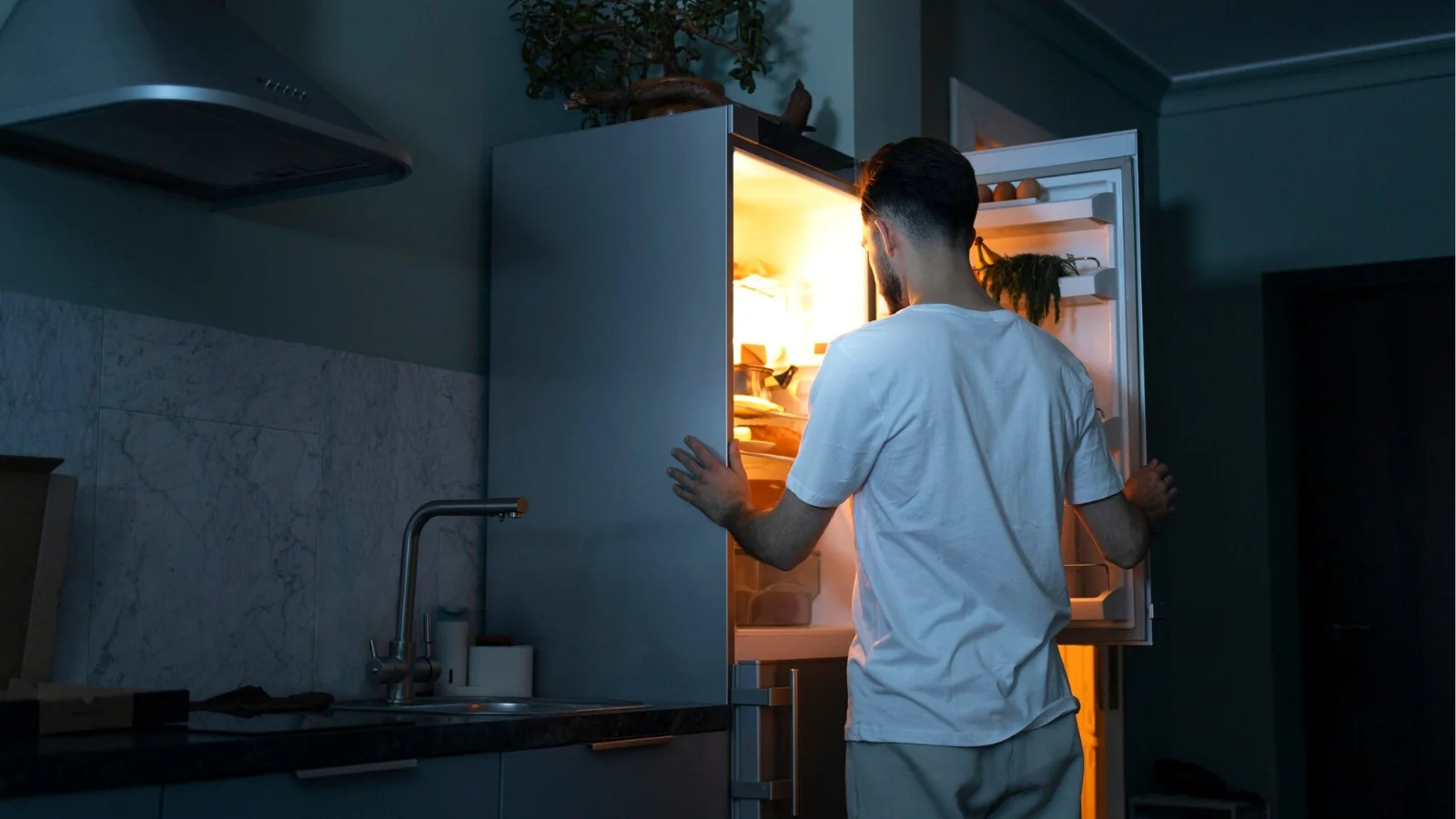
Samsung refrigerators often make noise when running, but the sound disappears once the door is open. This happens because the fridge’s safety switch automatically turns off internal fans when the door opens. These fans circulate cold air, and when stopped, the noise also stops. This temporary silence points directly to the fans as the likely source.
If the noise consistently disappears with the door open, it often suggests issues with fan motors or obstructions in airflow. Ice buildup, dirt, or loose parts may contribute.
While the silence may feel reassuring, the underlying issue continues once the door closes. Understanding this behavior helps homeowners target their troubleshooting more effectively.
Common Causes of Samsung Fridge Noise
A frequent cause of noise is a faulty evaporator fan motor. This fan circulates air inside the refrigerator and freezer compartments. When worn out, it produces buzzing, grinding, or rattling sounds. Ice buildup around the fan blades may also create loud noises. Both situations reduce efficiency and require immediate inspection.
Another common issue is loose or vibrating parts inside the unit. Screws, panels, or internal brackets can loosen over time. These vibrations create rattling noises that echo through the refrigerator. Airflow blockages are another possibility. If vents become blocked by food or ice, the fan struggles to push air, creating loud sounds during operation.

Why Is My Samsung Fridge Making Noise, But Stops When Door Opened – Step by Step Troubleshooting
Understanding the causes is only the beginning. Following a careful troubleshooting process helps identify and resolve the problem safely.
Identify the Type of Noise
Listen carefully to the sound. Buzzing may suggest ice contact, while grinding points to worn bearings. Rattling often indicates loose screws or vibrating panels. Noting when the noise occurs, such as during cooling cycles, helps narrow down the issue and ensures the right solution is applied effectively.
Inspect the Evaporator Fan and Surrounding Area
Locate the evaporator fan, usually behind the freezer panel. Check for visible obstructions or ice buildup around blades. Spin the blades gently to test movement and resistance. A stiff or stuck fan means repair is needed. If the fan wobbles or scrapes, it often signals damage to the bearings or mounting bracket.
Check for Ice Buildup Around Blades
Ice forming around the evaporator fan blades is a frequent cause of loud noise. Allow the refrigerator to defrost completely before restarting. Avoid sharp tools, as they may puncture internal components. Persistent ice after defrosting suggests a malfunction in the defrost system. If this continues, professional inspection becomes necessary to restore proper airflow.
Clean Dust or Debris From Vents
Dust and debris restrict airflow, causing the fan to work harder. Use a soft brush or handheld vacuum to clean vents and coils carefully. Avoid pressing too hard to prevent bending delicate fins. Proper airflow reduces strain on motors and lowers noise levels. Regular cleaning every few months helps maintain efficiency and quiet operation.
Tighten Loose Screws or Panels
Loose screws or panels create vibrations that sound louder inside the refrigerator. Inspect brackets, shelves, and internal panels for looseness. Use a screwdriver to tighten everything securely. Pay attention to areas near fans and motors, where vibration is strongest. Securing these parts prevents recurring rattling noises and protects your appliance from further unnecessary strain.
Restart the Fridge and Listen Again
Once adjustments are complete, plug the refrigerator back in and allow it to run. Listen closely as the cooling cycle begins. Compare the sound with what you heard earlier. If noise has stopped or reduced, the issue is solved. If it continues despite troubleshooting, it’s time to seek professional repair assistance immediately.
Safety Tips When Handling Refrigerator Noise Issues
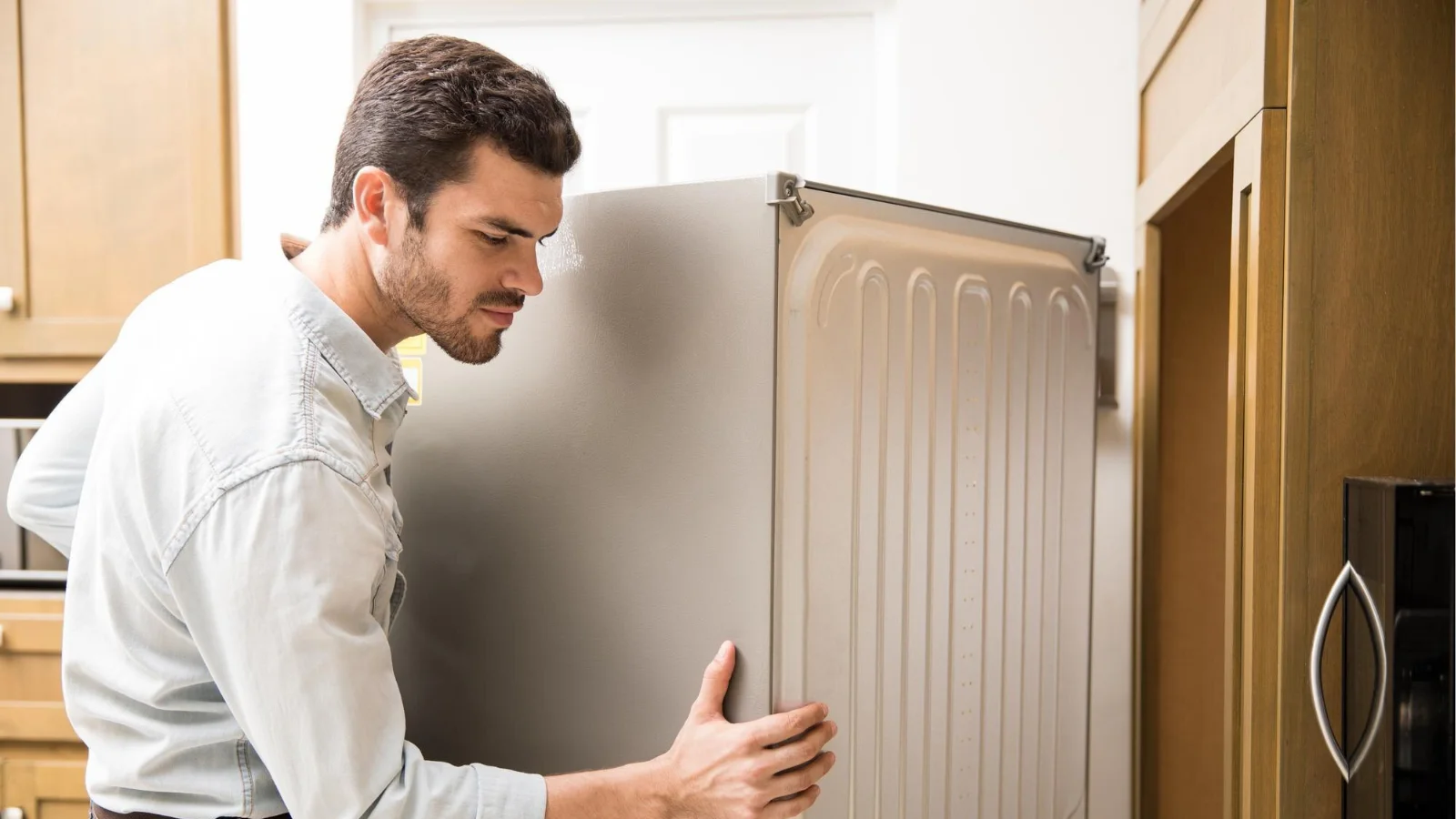
Safety should always come first. Always unplug the refrigerator before inspecting internal parts. Working with live electricity risks injury and further damage. Wait several minutes after unplugging before touching any components. Keeping safety a priority protects both the homeowner and the appliance.
Avoid using sharp tools to remove ice buildup. Knives or screwdrivers can puncture cooling coils or damage wiring. Instead, rely on safe defrosting methods. Keep children and pets away from the area while troubleshooting. These precautions reduce risks while ensuring the inspection process remains safe and controlled.
Mistakes to Avoid During DIY Fixes
Forcing fan blades when frozen is a major mistake. This often breaks the fan entirely, creating a more expensive repair. Another common error is ignoring unusual smells, such as burning odors, which may signal electrical problems. Addressing issues early prevents worsening damage.
Overloading the refrigerator is another mistake that creates airflow blockages. Too many items near vents strain the fan. Delaying repairs is equally risky. Small noises often become louder and more destructive over time. Avoiding these mistakes keeps the refrigerator in good working order and extends its lifespan.
When to Call a Professional Appliance Repair Technician
Not all refrigerator issues are safe to handle at home. If noise continues after basic cleaning and adjustments, the problem may involve motor or wiring damage. Professional technicians have the tools and training to diagnose issues accurately. Attempting advanced repairs without expertise often leads to additional damage or safety hazards.
Heavy grinding, knocking, or electrical buzzing are strong signs professional help is required. Persistent ice buildup around fans despite regular defrosting also demands attention. Technicians can replace faulty motors, repair wiring, or install new components safely. Calling an expert ensures the refrigerator is repaired correctly and avoids costly long-term issues.
Signs Your Refrigerator Needs Immediate Attention
- Noise grows louder over time – Persistent, worsening sounds signal deeper issues.
- Cooling performance drops – Food spoils quickly when airflow is disrupted.
- Unusual ice formation – Ice appears in unusual areas beyond normal buildup.
- Water leaks near the fridge – Leaks indicate defrost or cooling system malfunctions.
Call for Expert Samsung Refrigerator Repair Today
A noisy refrigerator disrupts comfort and may hide serious issues. Expert technicians provide reliable solutions that protect both your appliance and your food. Professionals handle fan repairs, motor replacements, and airflow adjustments with precision. Their training ensures long-lasting performance, safety, and efficiency.
From minor adjustments to complex repairs, professional services save time and prevent costly mistakes. Trust certified experts to restore your refrigerator to quiet, reliable operation. Contact Appliance Doctor Pro today for expert Samsung refrigerator repair services you can count on.
Conclusion
Samsung refrigerators are efficient, but unusual noises can cause concern. Often, the sound stops when the door opens because the fans shut off. Still, underlying issues like ice buildup, worn motors, or blocked airflow may remain.
By learning why is my Samsung fridge making noise, but stops when door opened, homeowners can troubleshoot confidently, act safely, and call professionals when necessary.
Frequently Asked Questions
Why does my Samsung fridge make noise only at night?
Nighttime is quieter, so normal compressor and fan sounds become more noticeable. Still, loud or irregular noises may signal problems needing inspection.
Can I keep using my fridge if it makes noise?
Yes, but it’s not recommended. Continued use without identifying the cause risks further damage and may shorten the appliance’s lifespan significantly.
Is it dangerous if the noise continues?
Sometimes, yes. Electrical buzzing, burning smells, or loud grinding suggest serious issues. These should be addressed immediately by a qualified technician.
How long should fridge fans last?
Most refrigerator fans last several years with proper care. However, poor maintenance, dust, or ice buildup can shorten their lifespan significantly.
