 Skip to content
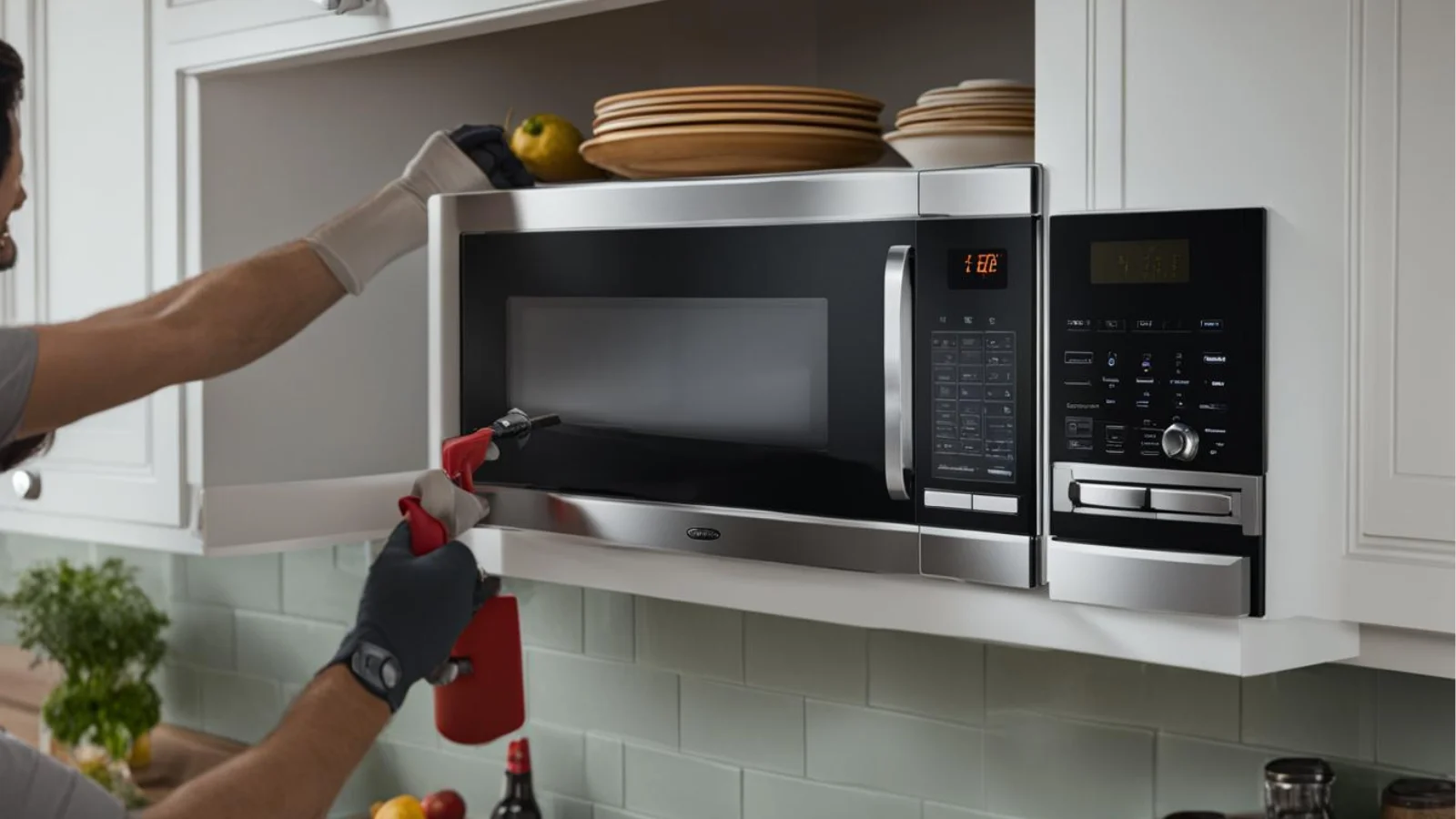
If your kitchen feels hot or smoky when you cook, your microwave might not be venting properly. Learning how to vent microwave outside can make a big difference. It removes heat, smoke, and odors from your kitchen and makes cooking more comfortable.
Many Florida homes have over-the-range microwaves that only recirculate air inside. This means steam and grease stay in your kitchen. In this guide, we’ll explain the vent microwave outside procedure, why it matters, what problems it solves, and why hiring professionals is often the smartest choice.
What Does Venting a Microwave Outside Mean?
Venting a microwave outside means connecting your microwave’s exhaust fan to a duct that pushes air outdoors. Instead of blowing air back into your kitchen, the air goes out through a wall or roof vent.
This setup removes smoke, steam, and cooking smells right away. It keeps your kitchen cooler and cleaner. In short, how to vent microwave outside is about giving your kitchen real ventilation, not just a fake fan that blows air around.
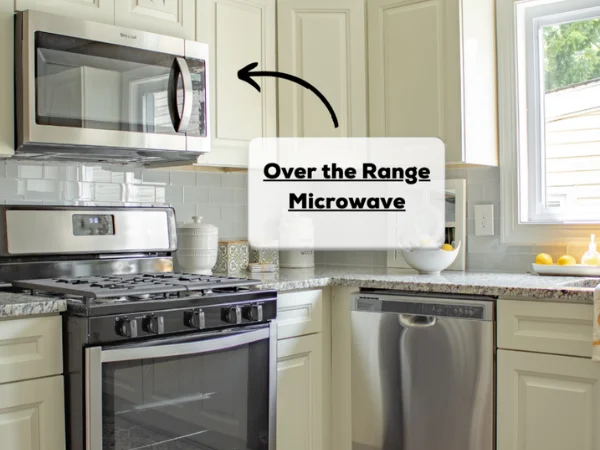
Why Venting Outside Is Important
Proper ventilation is more than comfort — it’s about safety and health. When steam, grease, and smoke stay trapped inside, they build up on walls, cabinets, and ceilings. Over time, this can damage paint, wood, and even electrical parts near your microwave.
If you live in Florida, humidity adds to the problem. Moist air makes cooking steam linger longer. A microwave that vents outside solves this by moving hot, wet air out of your kitchen quickly. It also helps reduce odors and keeps your air fresh.
So, learning how to vent microwave outside can improve your home’s comfort, protect your appliances, and keep your kitchen air clean.
How to Vent Microwave Outside (Step by Step)
If you’re curious about how the process works, here’s how professionals handle it safely and correctly:
- Check the microwave type – Not all models can be vented outside. Experts first check if your microwave has an external vent option.
- Plan the duct route – They find the shortest, straightest path to move air outside — through the wall or roof.
- Cut an opening – A clean hole is made for the duct, sized to match the vent fan outlet.
- Install the duct and wall cap – Metal ducts and an outside vent cap are added to carry and release air safely.
- Seal and test – Every joint is sealed to prevent leaks. Then the airflow is tested to make sure it’s working right.
Why DIY Venting Often Fails
Many homeowners try to figure out how to vent microwave outside on their own, but it’s harder than it looks. You need tools for cutting walls, sealing ducts, and connecting wiring. One small mistake can cause serious problems.
DIY work often leaves gaps or loose joints that let air blow back inside. Some people forget to check for studs, wiring, or pipes behind walls before cutting. Others use plastic ducts, which can melt or trap grease.
Professional technicians know local Florida building codes and have the right tools. They ensure safe routing, strong seals, and a clean finish. It saves time, money, and stress in the long run.
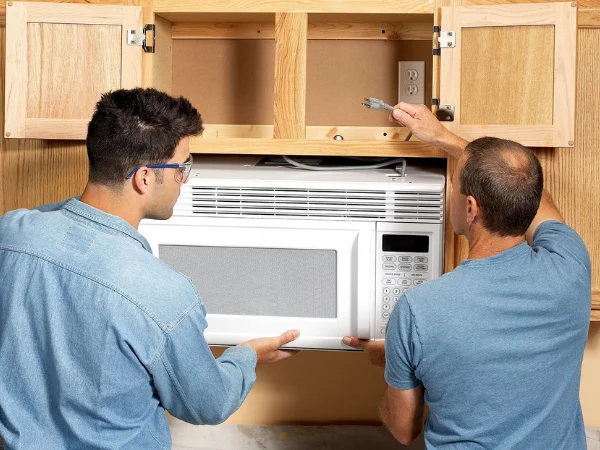
Benefits of Professional Microwave Venting
Hiring experts for how to vent microwave outside gives you peace of mind and lasting performance. Professionals do more than connect a duct — they make sure your whole system works safely and efficiently.
Key benefits include:
- Safe and correct installation without wall damage
- Strong airflow and quiet operation
- Longer appliance life
- Better indoor air quality
- Compliance with Florida building and fire codes
A licensed professional can also check for grease buildup, fan strength, and hidden moisture problems that most homeowners miss.
Why Professional Microwave Venting Brings Long-Term Value
Unlike a fan that only filters air, a properly vented microwave keeps working every day with no extra effort. Once installed, you’ll notice cleaner air, fewer smells, and less sticky residue on cabinets.
Over time, this setup saves money on cleaning and repairs. It also protects walls and paint from moisture and smoke stains. In humid places like Florida, how to vent microwave outside helps prevent mold growth and keeps your kitchen fresh year-round.
How It Helps Florida Homeowners
Florida kitchens face extra heat and humidity, so venting your microwave outside is especially helpful. It removes warm air that can make your kitchen uncomfortable and keeps your air conditioner from working too hard.
Proper venting also protects your cabinets and tiles from moisture damage. Whether you live in Miami, Orlando, or Tampa, how to vent microwave outside can make your cooking space safer, cleaner, and more energy-efficient.
Professional installers like Appliance Doctor Pro handle everything — from checking your model to routing ducts and sealing vents — so you don’t have to worry about mistakes or code violations.
Conclusion
So, how to vent microwave outside? It means giving your kitchen real ventilation by sending smoke, steam, and heat outdoors instead of recycling them inside. It’s one of the best ways to protect your home and enjoy cleaner air while cooking.
When done by professionals, outdoor venting keeps your kitchen cooler, safer, and free of odors. In Florida’s warm climate, that makes a big difference. Call Appliance Doctor Pro to handle your microwave venting the right way — safe, neat, and built to last.
Frequently Asked Questions
Can every microwave be vented outside?
No. Only certain over-the-range models have an external vent option. Professionals can check if yours supports it.
Is venting through the wall or roof better?
Both work, but the best choice depends on your kitchen layout. Experts pick the shortest and safest route.
How long does it take to vent a microwave outside?
Usually 2–4 hours for a standard installation, depending on wall type and duct distance.
Can I vent a microwave into the attic?
No. Air should always go directly outside. Venting into the attic can cause heat, moisture, and mold damage.
