 Skip to content
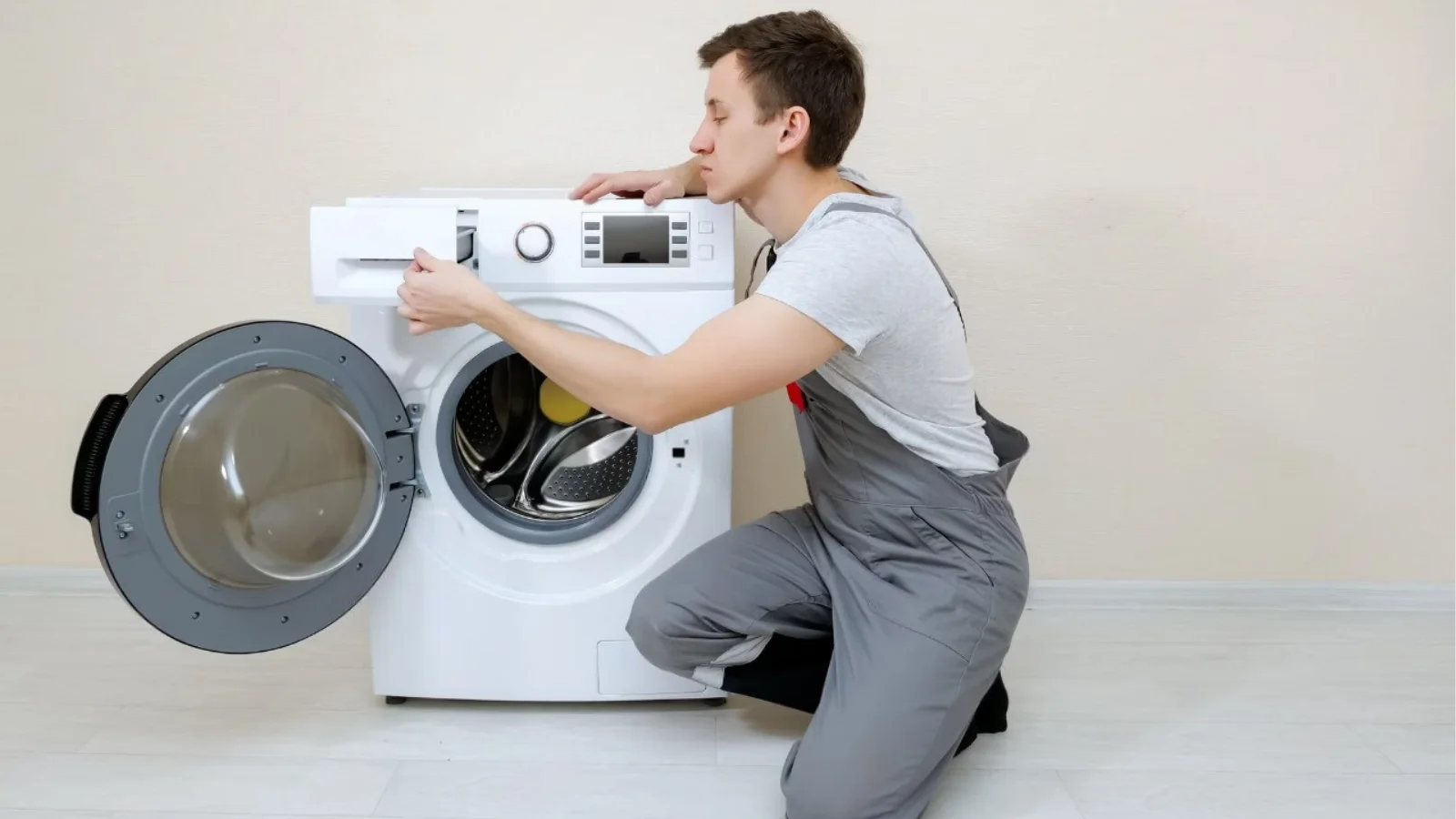
A washing machine is one of the hardest-working appliances in every home. When it stops working, laundry piles up quickly. Knowing how to repair a washing machine can save time, prevent frustration, and keep your home running smoothly.
In this guide, we’ll explain how to identify common problems, perform basic repairs, and know when it’s time to call a professional appliance repair service.
Common Problems with Washing Machines
Most washing machine issues fall into a few common categories. Knowing what causes them can help you identify and address small problems early on or determine when to call a professional.
Washer Won’t Turn On
If your washer doesn’t start, check the power plug and outlet first. Make sure the lid or door is fully closed, as most washers won’t run unless locked. If it still won’t start, the issue may involve wiring, the control board, or the motor — a technician should handle that.
Washer Isn’t Spinning
When your washer fills with water but doesn’t spin, the load may be uneven. Try redistributing the clothes evenly and restarting the cycle. If that doesn’t work, the belt or motor might be worn and need replacement by a repair expert.
Washer Doesn’t Drain
A washer that won’t drain often has a clog in the hose or pump filter. Remove and clean the filter, and make sure the hose isn’t twisted or blocked. If water still won’t drain, the pump motor could be faulty and should be checked by a technician.
Washer Leaks Water
Leaks can come from cracked hoses, loose fittings, or a worn door seal. Tighten the connections and inspect the hoses for damage. If the leak continues, call a professional before it causes floor or wall damage.
Washer Makes Strange Noises
Loud or unusual sounds usually mean something is wrong inside the washer. Thumping may come from an uneven load, while grinding or squealing can mean worn bearings or belts. Fixing these early prevents bigger and costlier damage later.
How to Repair a Washing Machine
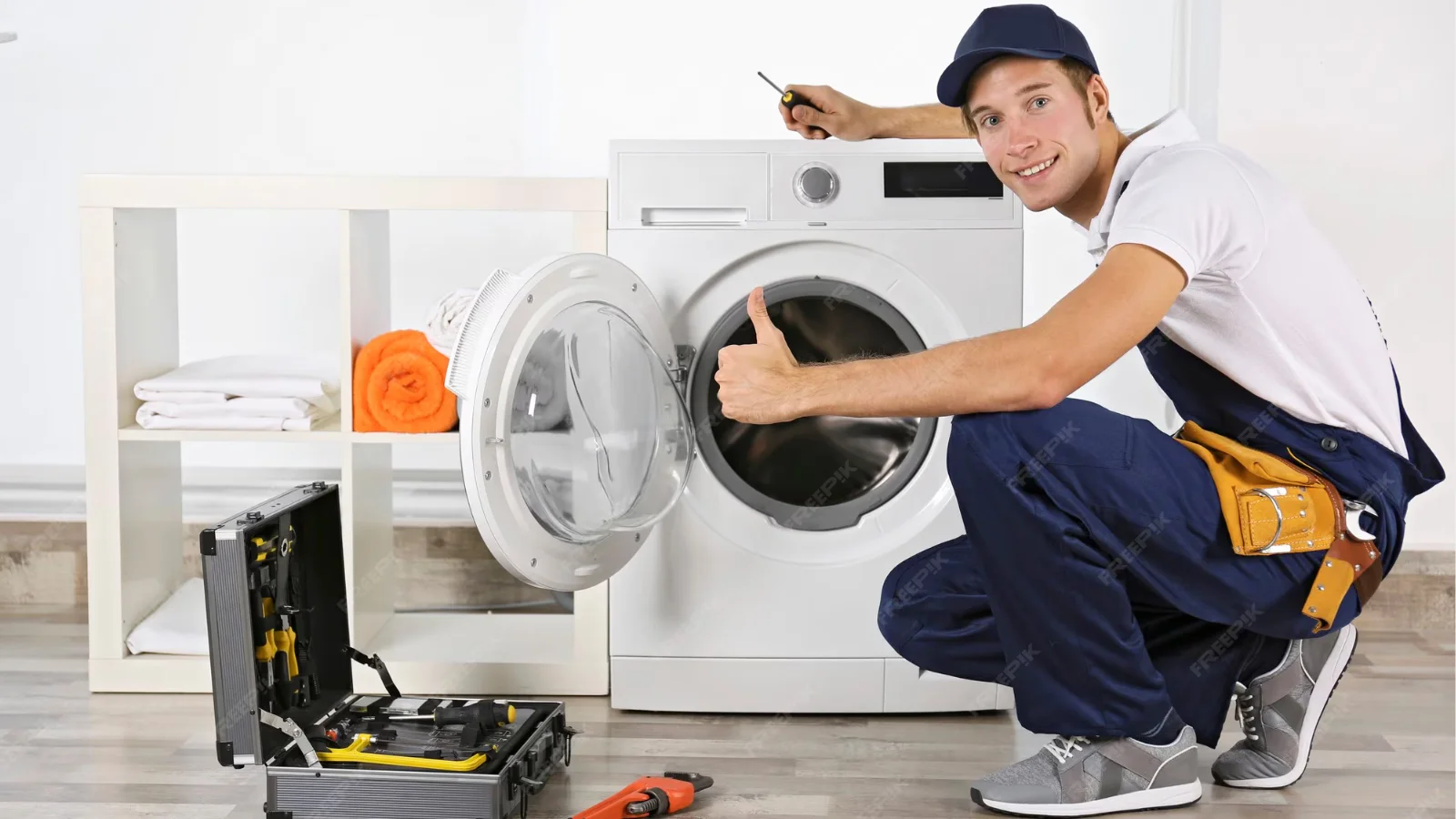
If you’re confident with basic tools, you can fix some washer problems safely. Always unplug the machine and turn off the water before you begin.
1. Check the Power and Reset
Sometimes, the solution is simple. Test the outlet by plugging in another device. If the washer has a reset button or digital control, unplug it for one minute and plug it back in to reset.
2. Clean the Drain Pump Filter
Many washers have a small filter that catches lint and coins. Open the cover, remove the filter, and clean it with warm water. This can solve many drainage problems.
3. Balance the Load
Too many clothes or uneven weight distribution causes shaking or failure to spin. Remove a few heavy items and try again.
4. Inspect Hoses and Belts
Remove the back panel carefully and check for cracked hoses or a loose, worn drive belt. Replace any damaged parts with the correct model number to keep your washer running smoothly.
5. Check the Door Lock
A faulty door lock switch prevents the washer from starting. Use a multimeter to test it for continuity. If broken, replace it with a matching part.
Why Choose Appliance Doctor Pro
At Appliance Doctor Pro, we understand how stressful a broken washer can be. That’s why we offer fast, reliable washing machine repair services for all major brands, including Whirlpool, LG, Samsung, GE, and Maytag.
Here’s what makes us your best choice:
- Certified Technicians: Trained experts for every brand and model.
- Same-Day Service: We work fast to get your washer running again.
- Upfront Pricing: No hidden fees — you’ll always know what to expect.
- Genuine Parts: We use only original replacement parts for durability.
- Customer Satisfaction Guarantee: We’re not done until your appliance works perfectly.
How to Prevent Future Washer Problems
Regular maintenance is the best way to keep your washing machine working smoothly for years. Run an empty cycle with hot water and vinegar each month to remove detergent buildup and odors. After every wash, leave the door open for a few hours to prevent mold and mildew. Also, check the hoses regularly for cracks or leaks and replace them every few years to avoid unexpected water damage.
Avoid overloading your washer, as too much weight can strain the motor and bearings. Always use the right detergent — especially high-efficiency (HE) detergent for modern machines — to prevent residue buildup. Finally, schedule a professional inspection once a year. Regular checkups catch small problems early and keep your washer running efficiently.
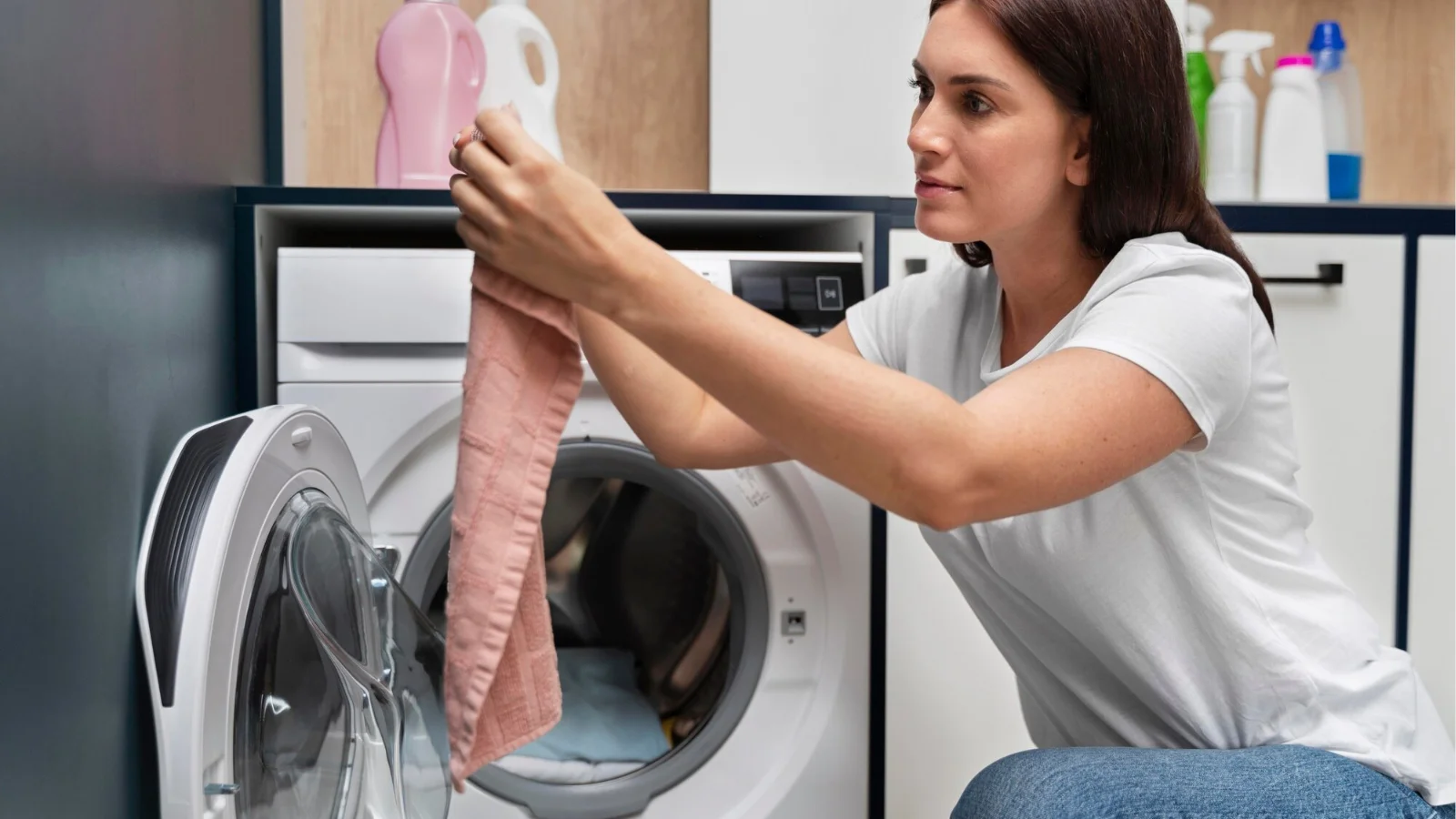
When It’s Time to Replace Your Washer
Sometimes replacing your washing machine is more practical than repairing it. If your washer is over ten years old or keeps breaking down, frequent repairs can become costly and inconvenient. Older machines also tend to use more water and energy, which increases your utility bills over time.
When repair costs reach more than half the price of a new model, it’s usually smarter to invest in a replacement. Modern washers are designed to be quieter, faster, and far more energy-efficient. Upgrading to a new model can save money in the long run and give you better performance with less maintenance.
Conclusion
Knowing how to repair a washing machine helps you fix small problems and keep your appliance in good shape. But when repairs become too complex or risky, it’s time to call the experts.
At Appliance Doctor Pro, we provide same-day washer repair with certified technicians and fair pricing. We’ll diagnose the problem, fix it fast, and make sure your washer runs like new.
Need fast, reliable washing machine repair? Call (904) 664-5357 today or book your service online — we’re here to help you every step of the way.
Frequently Asked Questions
How long does a washing machine usually last?
Most washers last 8–12 years with proper maintenance. Regular cleaning and professional service help them last longer.
Can I fix my washer if it’s not draining?
Yes, you can check the drain hose and pump filter. But if those are clear and it still doesn’t drain, call a technician.
Is it safe to repair a washing machine myself?
You can handle simple tasks like cleaning filters or tightening hoses. For electrical or motor issues, it’s best to hire a professional who knows how to repair a washing machine safely.
Why is my washer making loud noises?
Loud noises can come from unbalanced loads, worn belts, or bad bearings. Balancing loads can help, but recurring noise means you should get it checked.
