 Reviews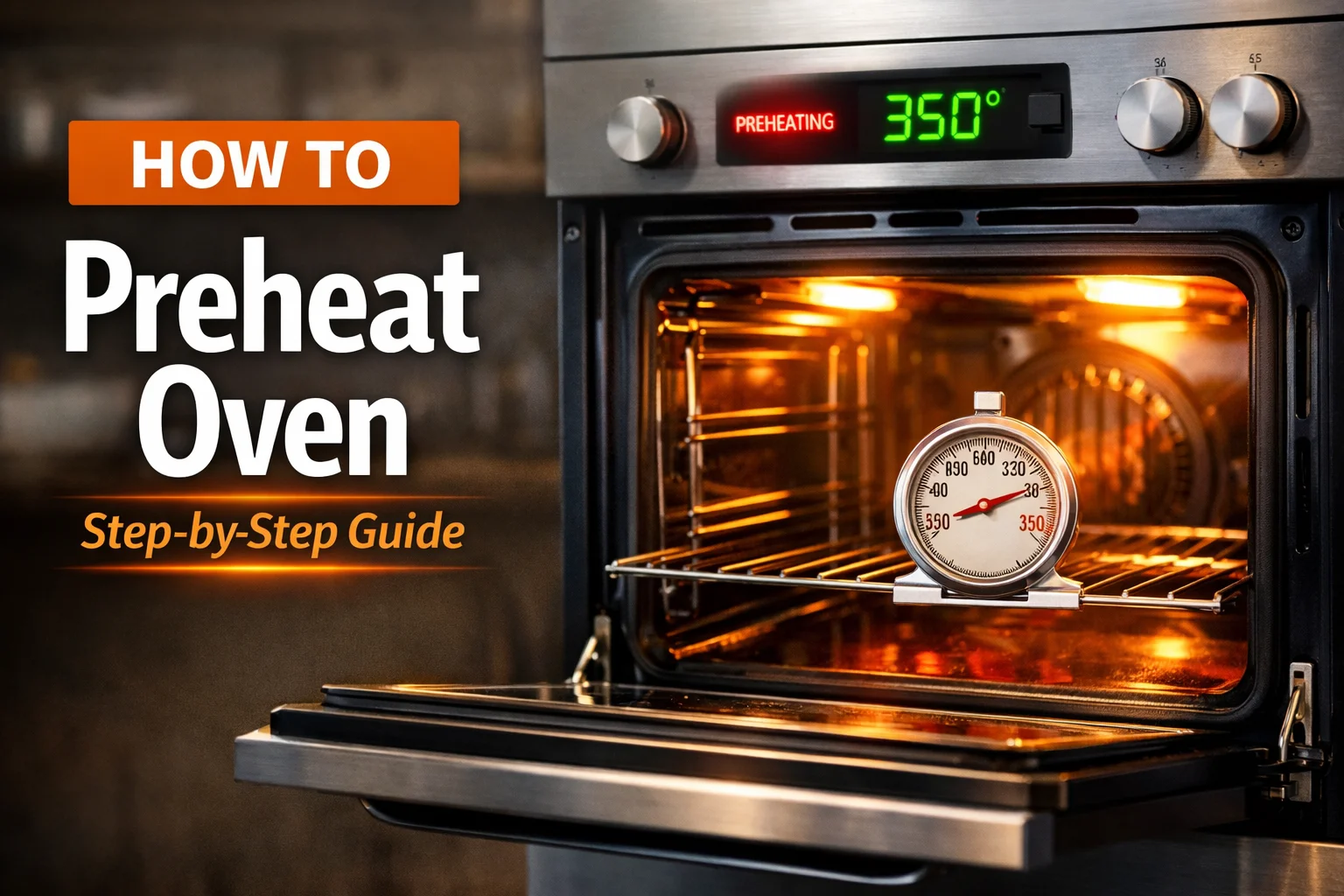
If you have ever searched for how to preheat oven, you might think it is a simple step that does not require much attention. However, preheating is one of the most important parts of cooking and baking. Whether you are making cookies, roasting vegetables, or baking a cake, proper preheating ensures consistent temperature, even cooking, and better texture.
Many cooking failures are not caused by bad recipes but by improper oven preparation. Understanding how to preheat an oven correctly can dramatically improve your results. In this complete guide, you will learn what preheating really means, how long it takes, common mistakes, troubleshooting tips, and when to call an oven repair service. We will also briefly address what to do if your microwave oven not heating.
What Does Preheat Oven Mean?
To preheat oven means to heat the oven to the desired temperature before placing food inside. Recipes assume the oven has already reached the specified temperature. When you put food into a cold oven, cooking time becomes inaccurate and food may cook unevenly.
For example, if a recipe says bake at 350°F for 30 minutes, that timing starts once the oven is fully heated to 350°F. If you skip preheating, the internal chemistry of baking changes, and the final texture may suffer.
Preheating ensures:
- Proper rise in baked goods
- Even browning
- Correct cooking time
- Food safety
- Better overall texture
Why Preheating Is So Important
Understanding how to preheat oven correctly is especially critical for baking.
Baking Requires Immediate Heat
Ingredients like baking soda and baking powder react when exposed to heat. If the oven is not fully heated, these reactions happen slowly and unevenly. This can result in dense cakes, flat cookies, or uneven crumb structure.
Texture and Structure Depend on Temperature
When you place food into a fully preheated oven, the outer layer begins cooking immediately. This helps seal moisture inside and develop proper structure. Without proper preheating, food may dry out or cook unevenly.
Cooking Time Stays Accurate
If your oven is not fully heated, you may end up extending cook time. This can cause overcooking on the outside while the inside remains underdone.
How to Preheat an Oven Step by Step
Learning how to preheat an oven properly involves more than simply pressing a button.
Step 1: Remove Unnecessary Items
Take out extra pans, baking sheets, or foil that are not needed. Additional metal objects can absorb heat and slow down the process.
Step 2: Choose the Correct Setting
Most recipes use the Bake setting. Double check that you are not accidentally using Broil, which applies high heat from the top only.
Step 3: Set the Temperature
Select the temperature your recipe requires. Common baking temperatures include 325°F, 350°F, and 375°F. Roasting may require 400°F or higher.
Step 4: Wait for the Signal
Modern ovens beep or display a message once preheated. However, some ovens signal readiness before the temperature fully stabilizes. For best results, wait an additional few minutes after the signal.
Step 5: Place Food Inside Quickly
Open the door briefly, insert your dish, and close the door promptly. Leaving the door open too long causes a rapid drop in temperature.
How Long Does It Take to Preheat?
Preheating time depends on the oven type and temperature setting.
On average:
- 300°F takes about 8 to 12 minutes
- 350°F takes about 10 to 15 minutes
- 400°F takes about 12 to 18 minutes
- 425°F can take up to 20 minutes
Gas ovens often heat slightly faster than electric ovens. Convection ovens may also preheat more quickly due to internal air circulation.
If your oven consistently takes more than 25 minutes to reach 350°F, it may indicate a problem that requires an oven repair service.
Gas vs Electric Ovens
Understanding your oven type helps improve preheating efficiency.
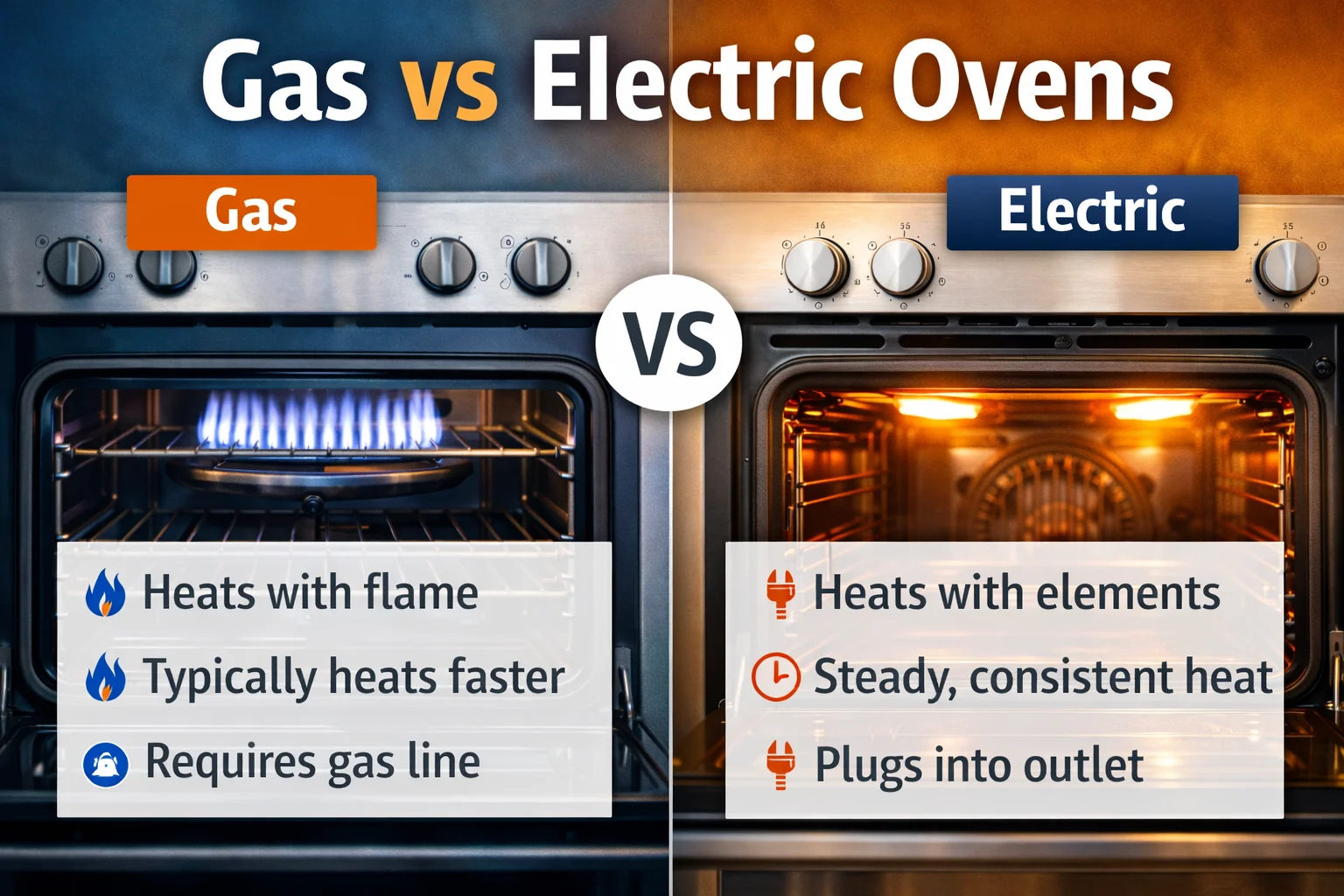
Gas Ovens
Gas ovens typically heat quickly and use a bottom flame. If the igniter is weak or faulty, preheating may become slow or inconsistent.
Electric Ovens
Electric ovens use heating elements located at the top and bottom. They provide steady and consistent heat but may take slightly longer to preheat.
If either type struggles to reach temperature or cooks unevenly, professional evaluation may be necessary.
Convection vs Conventional Bake
When learning how to preheat oven, it is important to understand the difference between convection and conventional baking.
Conventional Bake
Heat comes from stationary elements. This setting is best for delicate baked goods like cakes and pastries.
Convection Bake
A fan circulates hot air throughout the oven. This creates more even cooking and often reduces cooking time. When using convection, you may need to lower the temperature by about 25°F.
The Role of an Oven Thermometer
Many ovens are not perfectly accurate. Even brand new appliances can be off by 10 to 30 degrees. An oven thermometer helps verify the true temperature inside the oven.
Place the thermometer on the center rack near the middle. Avoid placing it against walls or near heating elements.
If your oven is consistently off by a large margin, you may need calibration or an oven repair service to inspect the temperature sensor or thermostat.
Common Preheating Mistakes
Skipping preheating is one of the most frequent errors in home kitchens. Another common mistake is trusting the beep alone without allowing temperature stabilization. Opening the oven door repeatedly can drop the temperature significantly and extend cooking time. Overcrowding the oven with multiple trays also affects airflow and heat distribution.
Correcting these small habits can greatly improve your results.
Signs Your Oven Is Not Preheating Properly
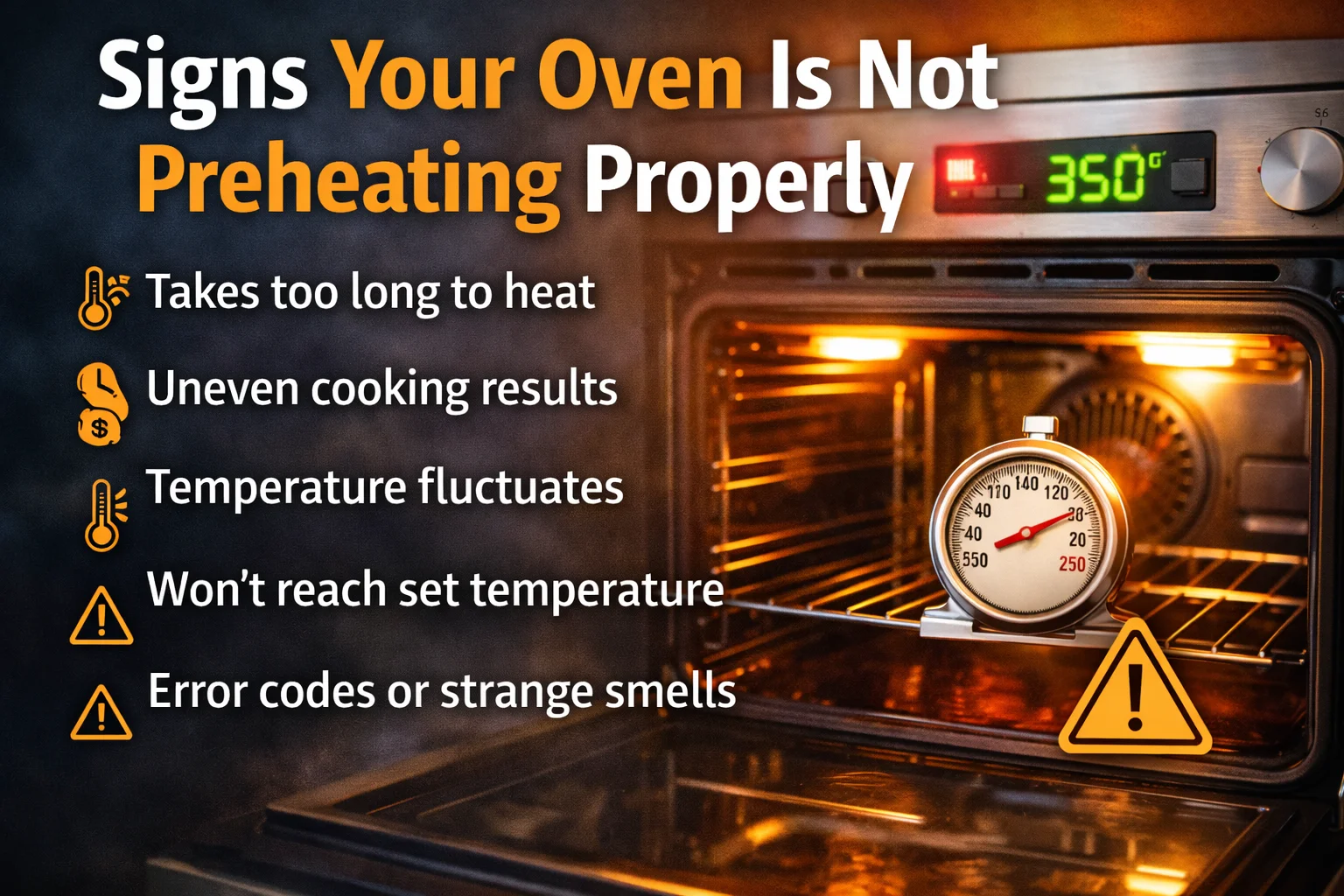
Sometimes the issue is not technique but equipment failure. You may need an oven repair service if you notice:
- The oven takes too long to heat
- Food cooks unevenly
- Temperature fluctuates widely
- Heating elements do not glow
- Gas oven struggles to ignite
- Error messages appear
Ignoring these warning signs can lead to poor cooking performance and potential safety concerns. Professional technicians can test heating elements, sensors, igniters, and control boards safely. If you are unsure where to begin, Appliance Doctor Pro is one example of a trusted service provider that can inspect and diagnose oven problems efficiently.
Microwave Oven Not Heating
While discussing oven issues, many homeowners also experience microwave oven not heating problems.
If your microwave runs but does not heat food, first ensure the power level is set correctly and test with a cup of water for one minute. If the water remains cold, internal components such as the magnetron, diode, or capacitor may be faulty.
Microwaves contain high voltage parts that can remain dangerous even after unplugging. Never attempt internal repairs yourself. If your microwave oven not heating persists, consult a professional appliance technician for safe diagnosis.
When to Call a Professional
There are situations where knowing how to preheat an oven will not solve the issue. If the appliance will not turn on, trips the breaker, produces a burning smell, emits gas odor, or has visibly damaged heating elements, professional assistance is necessary.
An experienced technician can safely inspect internal components and restore proper function. Appliance Doctor Pro is one example of a company that provides diagnostic and repair services for both ovens and microwaves.
Final Thoughts
Mastering how to preheat oven correctly may seem like a small detail, but it has a major impact on cooking success. Proper preheating ensures even baking, accurate timing, and better texture. Taking a few extra minutes to allow the oven to reach and stabilize at the correct temperature prevents common cooking problems such as uneven browning or undercooked centers.
Using the right setting, verifying temperature with an oven thermometer, and avoiding frequent door openings can significantly improve results. If your oven struggles to reach temperature or behaves inconsistently, seeking a qualified oven repair service can prevent further complications. Likewise, if you are dealing with a microwave oven not heating, professional repair is the safest solution.
By understanding how to preheat an oven properly and recognizing early signs of appliance issues, you can maintain consistent cooking performance and extend the life of your kitchen appliances.
FAQ
How do I know my oven is done preheating?
The light/beep helps, but the most accurate way is an oven thermometer.
Do I always need to preheat?
For most baking and roasting: yes. Some slow-cook casseroles or long braises can start cold, but recipes should say so.
Why does my oven say it’s preheated too fast?
Some ovens signal “ready” before the temperature stabilizes. Waiting 3–5 extra minutes improves consistency.
Can I preheat with the tray inside?
You can, but extra metal can slow preheating and affect airflow. Remove unnecessary trays.